

%402x%20(1).svg)
%402x.svg)
%402x.svg)
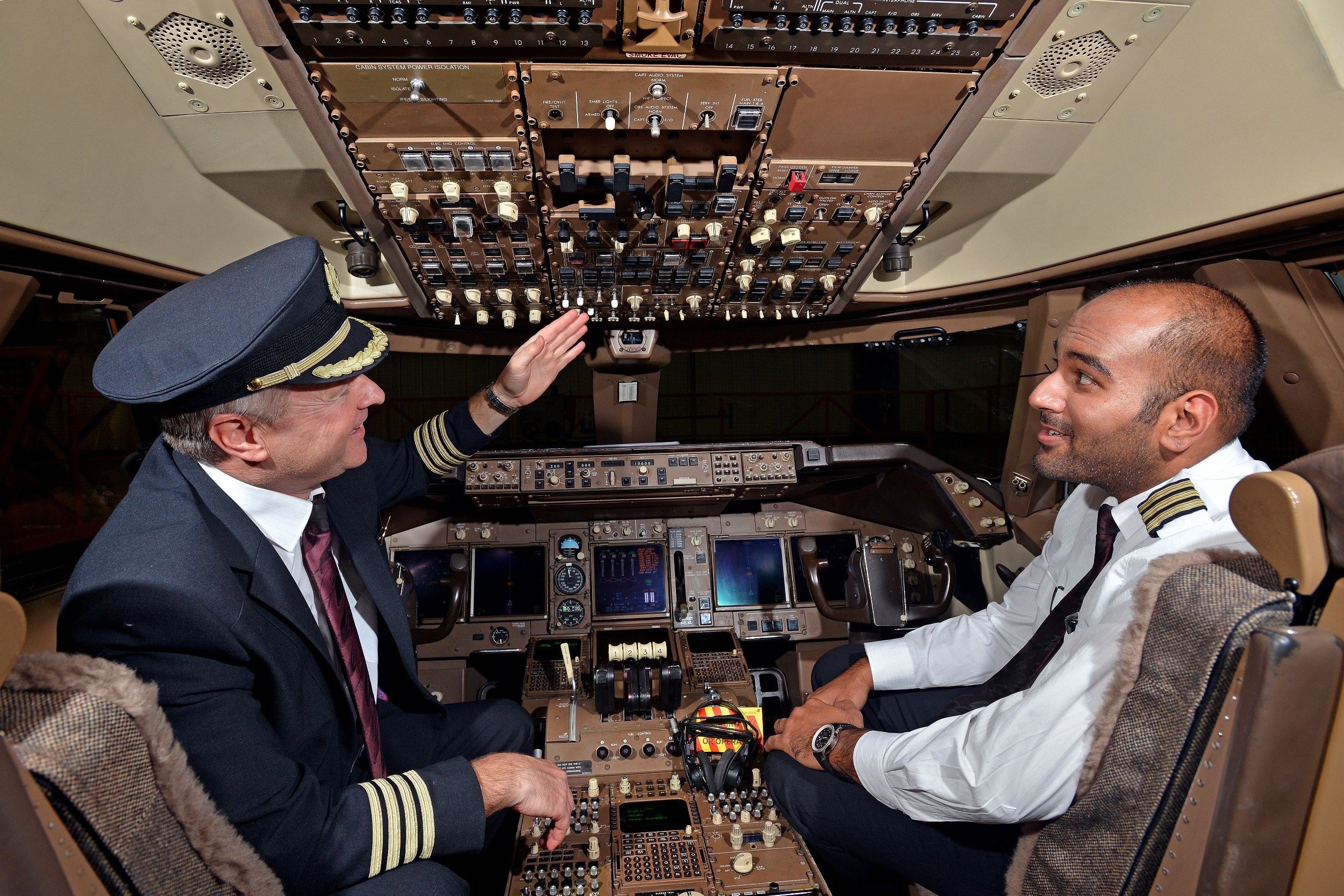
How Virgin Atlantic Proved That Behavior Change Beats Technology
When companies talk about sustainability and efficiency, the conversation usually turns to capital investment: new aircraft, new engines, new technology, or massive infrastructure upgrades. What Virgin Atlantic demonstrated instead is far more powerful—and far more uncomfortable for leaders to admit.
You don’t always need new technology.
Sometimes, you just need to change behavior.
The Experiment: Measure, Don’t Mandate
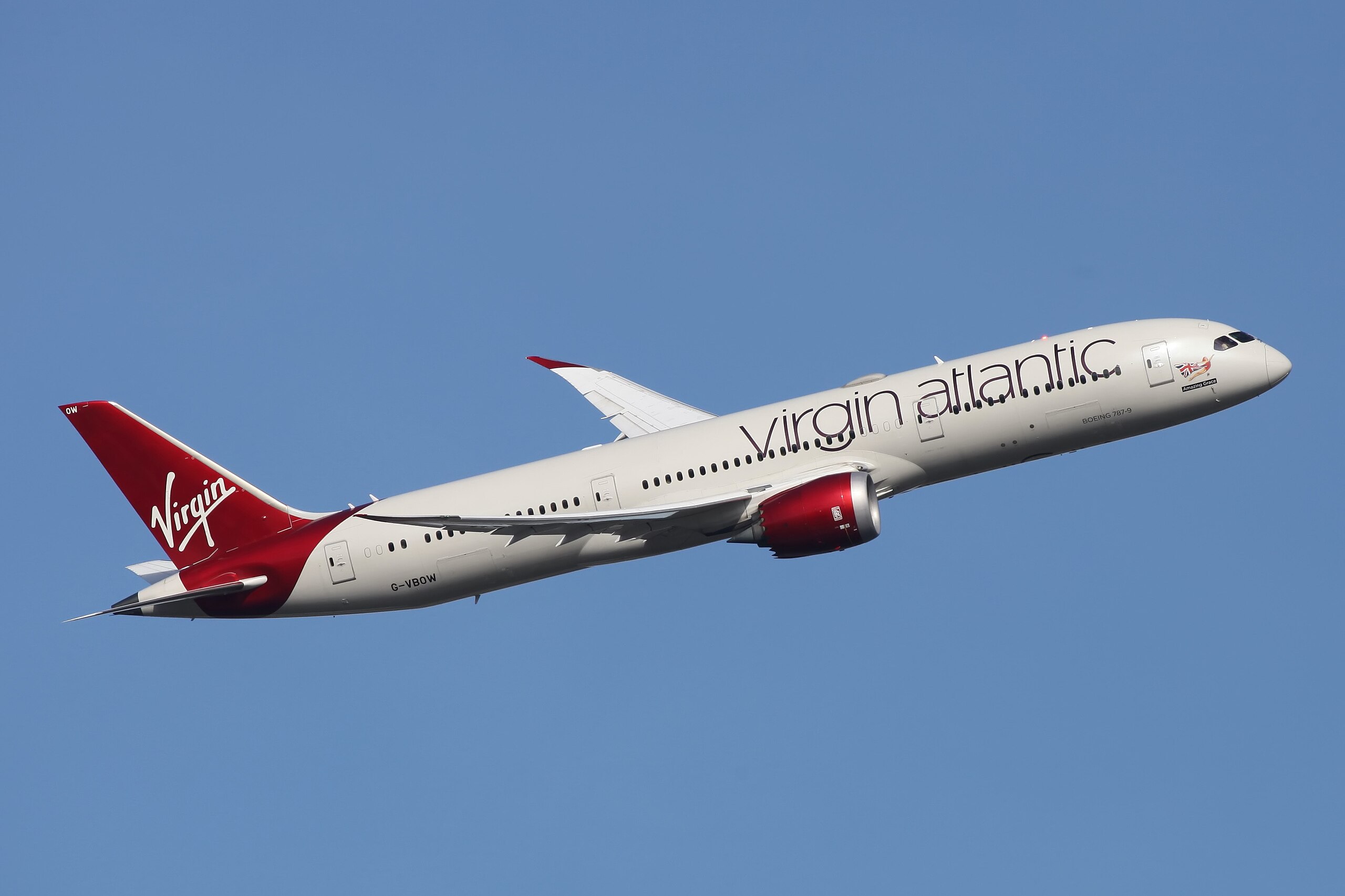
Virgin Atlantic partnered with researchers to study whether subtle behavioral interventions could improve fuel efficiency among airline captains. This wasn’t a simulator exercise or a theoretical model. It was a real-world field experiment covering 335 captains and more than 40,000 flights.
The premise was simple: fuel efficiency is influenced by pilot decisions before, during, and after flight. The airline focused on three specific, measurable behaviors:
- Efficient Fuel Load – calculating and loading the correct amount of fuel before takeoff
- Efficient Flight – optimizing speed and altitude during flight
- Efficient Taxi-In – shutting down at least one engine while taxiing after landing
None of these actions were new. None required new equipment. The question was whether awareness, feedback, and expectations alone could drive change.
Three Light-Touch Interventions
Captains were randomly divided into groups and told that their fuel-related performance would be monitored over an eight-month period. From there, the airline tested three escalating interventions:
- Feedback only: Monthly performance summaries showing how often each captain executed the three behaviors
- Feedback + targets: Personalized targets set 25% above each captain’s historical baseline
- Feedback + targets + prosocial incentives: The same targets, plus a small charitable donation for each target achieved
Importantly, none of these interventions affected pay, schedules, or disciplinary processes. This wasn’t about punishment—it was about visibility and expectations.
The Results: Awareness Is a Force Multiplier
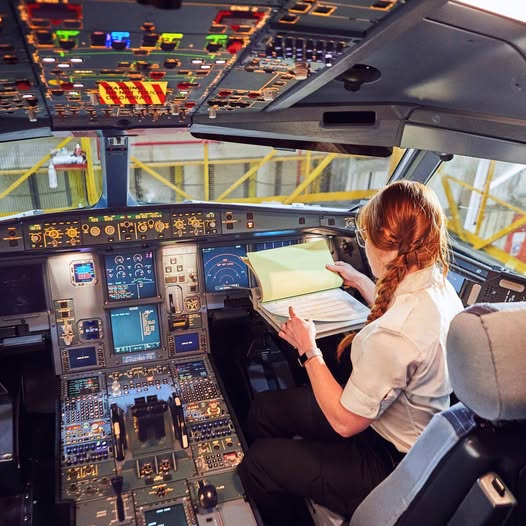
The most striking outcome was that simply knowing they were being monitored caused most captains—across all groups—to improve fuel efficiency almost immediately. Awareness alone changed behavior.
Adding performance targets delivered even stronger results, improving fuel-efficient behaviors by 9% to 20%, depending on the phase of flight. Surprisingly, the charitable incentive didn’t meaningfully outperform targets alone, although it did increase reported job satisfaction.
The operational impact was undeniable:
- $5.4 million in fuel cost savings
- 21,500 metric tons of CO₂ emissions avoided
- No increase in flight times
- No increase in absenteeism
- Behavioral improvements that persisted for months after the study ended
This wasn’t greenwashing. It was operational excellence.
Why This Matters Beyond Aviation
What Virgin Atlantic proved applies far beyond airlines.
Most organizations already know what good behavior looks like. The gap is rarely knowledge—it’s execution. By clearly defining expectations, making performance visible, and setting meaningful targets, companies can unlock enormous value without massive investment.
Even more compelling: the study estimated that Virgin Atlantic saved about $250 per metric ton of CO₂ reduced. For comparison, many technology-based carbon reduction strategies cost significantly more per ton.
Behavior change isn’t just cheaper—it’s faster.
The Leadership Lesson
This case challenges a deeply ingrained belief in business: that improvement requires complexity. Virgin Atlantic showed the opposite. Clear metrics, transparency, and modest expectations reshaped day-to-day decision-making in the cockpit.
For leaders, the message is simple but uncomfortable:
If you want different outcomes, don’t start with new tools.
Start by changing what people pay attention to.


%402x%20(dark).svg)
%402x%20(dark).svg)
%402x.svg)
%402x.svg)
%402x.svg)