

%402x%20(1).svg)
%402x.svg)
%402x.svg)
When Big Deals Collapse: Reflections on the Cancelled Rio Tinto Deal and a Mine Visit in Southern New Mexico
News of the recently cancelled deal involving Rio Tinto is a reminder of how volatile, complex, and politically sensitive large-scale resource development has become. In today’s environment, even the world’s largest mining companies—armed with capital, technical expertise, and decades of experience—are not immune to regulatory pushback, market shifts, or social and environmental scrutiny that can derail transactions once considered inevitable.
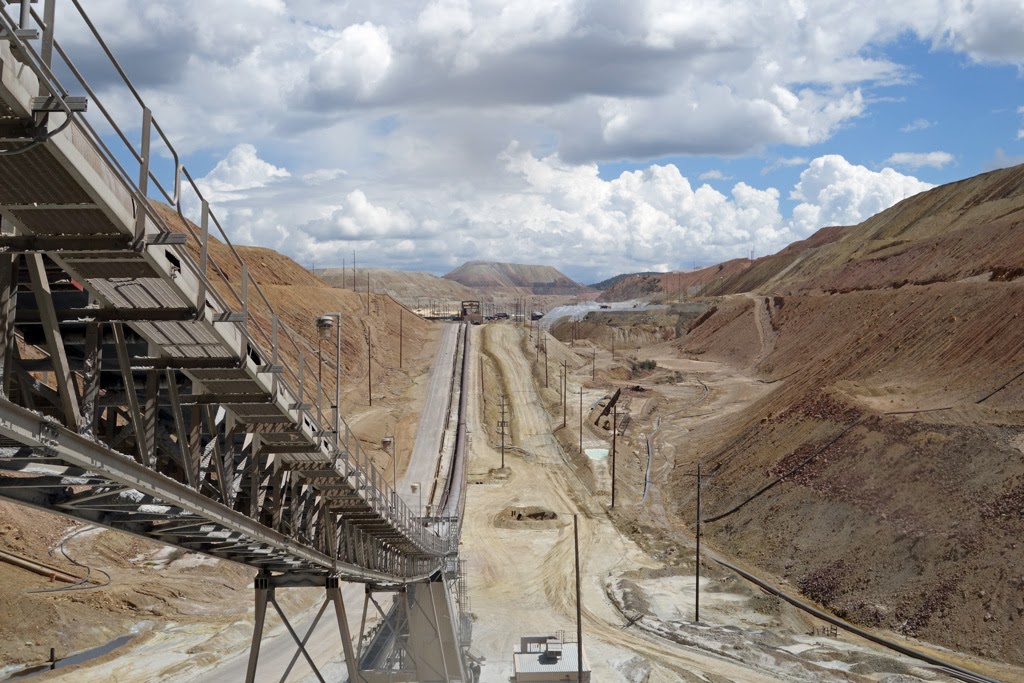
While headlines focus on balance sheets, approvals, and shareholder reactions, I can’t help but read news like this through a more personal lens. Years ago, I had the opportunity to visit a mining operation in southern New Mexico—an experience that permanently changed how I think about mining, energy, and the trade-offs that sit beneath every deal announcement.
The Deal That Wasn’t
The cancelled Rio Tinto transaction underscores a broader trend in global mining: projects and acquisitions now live or die at the intersection of economics, environmental impact, community acceptance, and geopolitics. What may make sense on paper—secure supply chains, future-facing minerals, long-term demand forecasts—can quickly unravel when permitting timelines stretch, public opposition intensifies, or policy priorities shift.
For companies like Rio Tinto, walking away from a deal is rarely about a single factor. It is usually the cumulative weight of uncertainty. From the outside, a cancellation can look like failure. From the inside, it is often a disciplined decision to avoid locking capital into a project where the risk profile no longer aligns with reality.
Standing at the Edge of the Pit
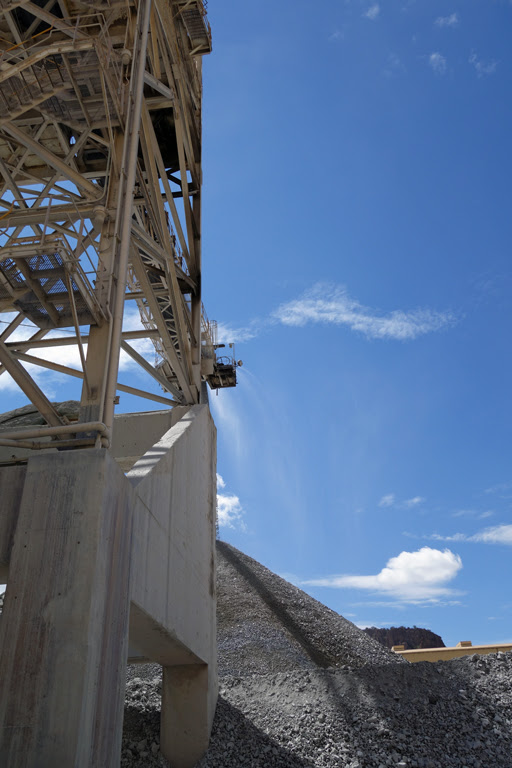
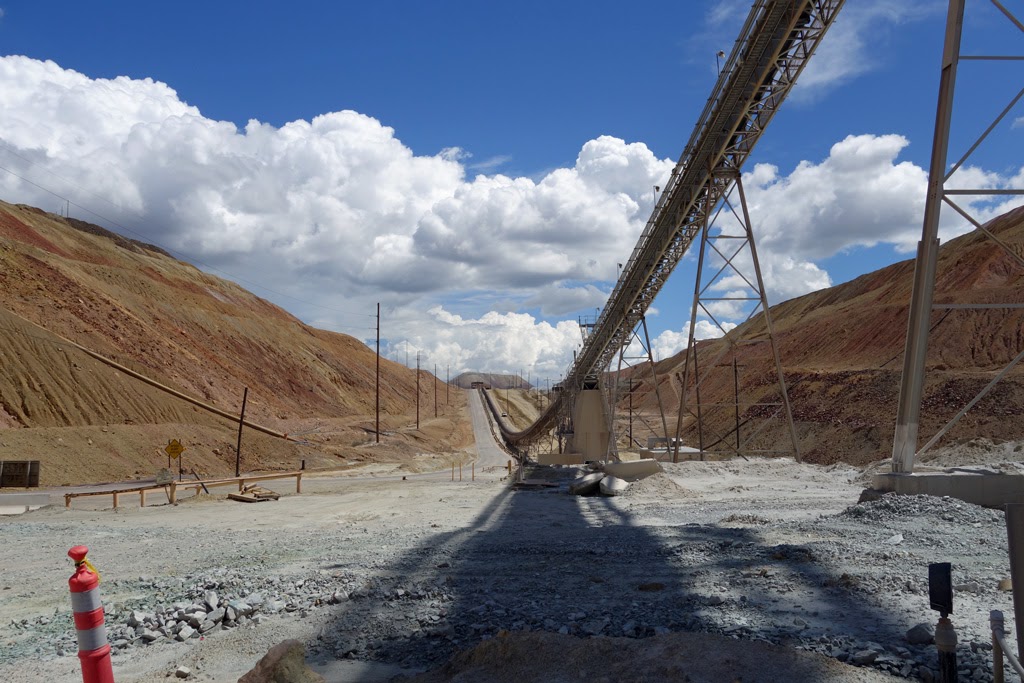
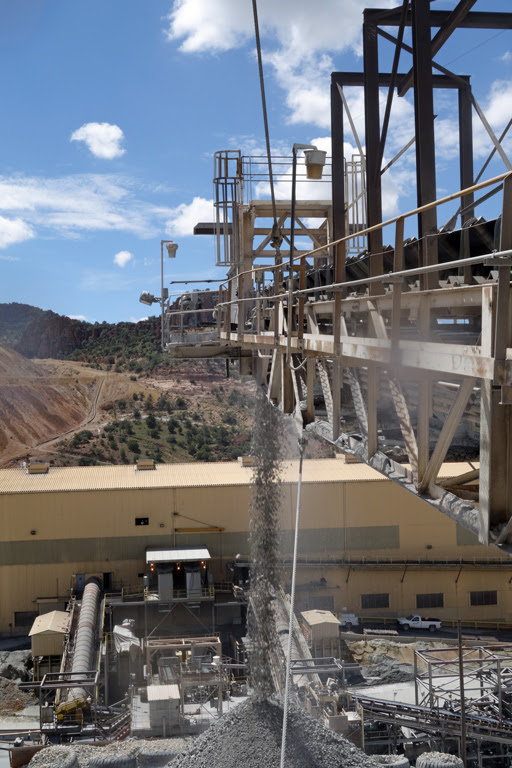
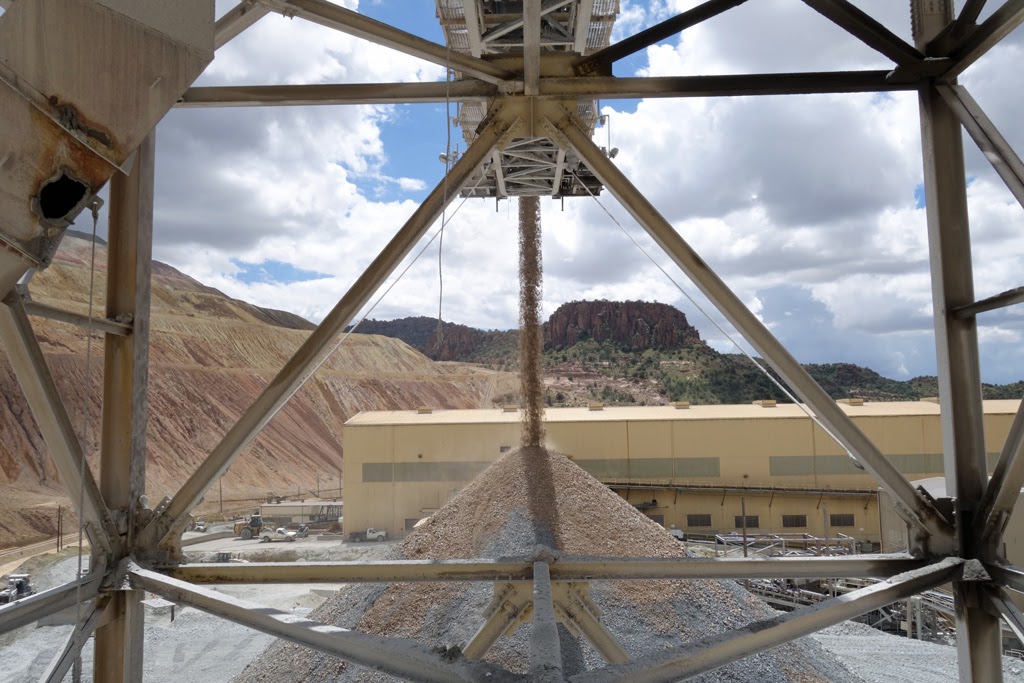
My visit to a mine site in southern New Mexico brought those realities into sharp focus. This wasn’t a glossy corporate presentation or a simplified diagram in an annual report. It was heat, dust, scale, and noise. Massive haul trucks—tires taller than a person—moved material that would eventually feed global industries most people never associate with the desert landscape around them.
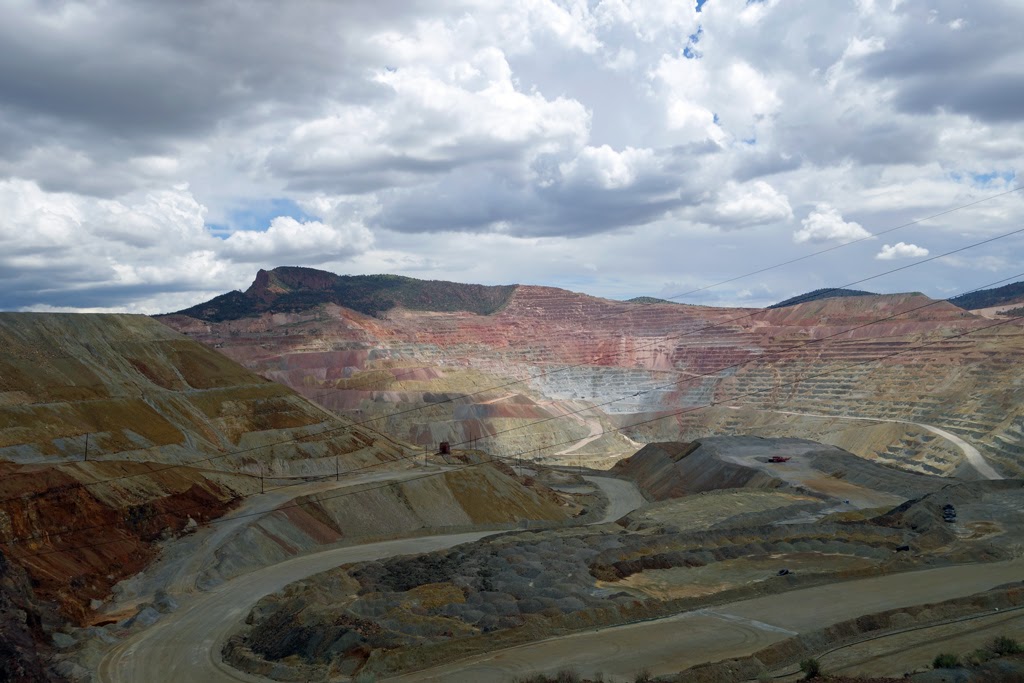
What struck me most was the contradiction. On one hand, the operation was a marvel of engineering and logistics. Precision blasting, carefully sequenced extraction, and an almost military-level attention to safety and process. On the other hand, the environmental footprint was impossible to ignore. The land had been permanently reshaped, and the responsibility to reclaim it someday loomed as large as the pit itself.
That visit made something very clear: mining is never abstract. Every ton of material pulled from the ground carries visible consequences, and every corporate decision echoes across communities, ecosystems, and decades.
Why Cancellations Matter
Seen through that lens, the cancellation of a deal like this feels less like a surprise and more like a reflection of reality catching up. Society wants renewable energy, electrification, and modern infrastructure—but it is increasingly uncomfortable with the extraction required to make those goals possible. Mining companies are caught in the middle, expected to deliver materials essential to progress while simultaneously minimizing impact to near-zero.
Walking away from a deal can sometimes be the most responsible option. It avoids years of conflict, sunk costs, and reputational damage, and it acknowledges that not every resource should—or can—be developed under current conditions.
A Personal Takeaway
My memories from southern New Mexico remind me that mining isn’t just about commodities or contracts. It’s about place. It’s about people who work long shifts in extreme conditions. It’s about towns whose economies depend on operations that outsiders may only see as line items in the news.
As Rio Tinto and other global players reassess their portfolios, these cancelled deals should prompt a broader conversation—not just about growth, but about alignment. Alignment between corporate ambition, environmental stewardship, community trust, and long-term societal goals.
The ground tells the truth eventually. Sometimes, the smartest move is listening to what it’s already saying.


%402x%20(dark).svg)
%402x%20(dark).svg)
%402x.svg)
%402x.svg)
%402x.svg)