

%402x%20(1).svg)
%402x.svg)
%402x.svg)
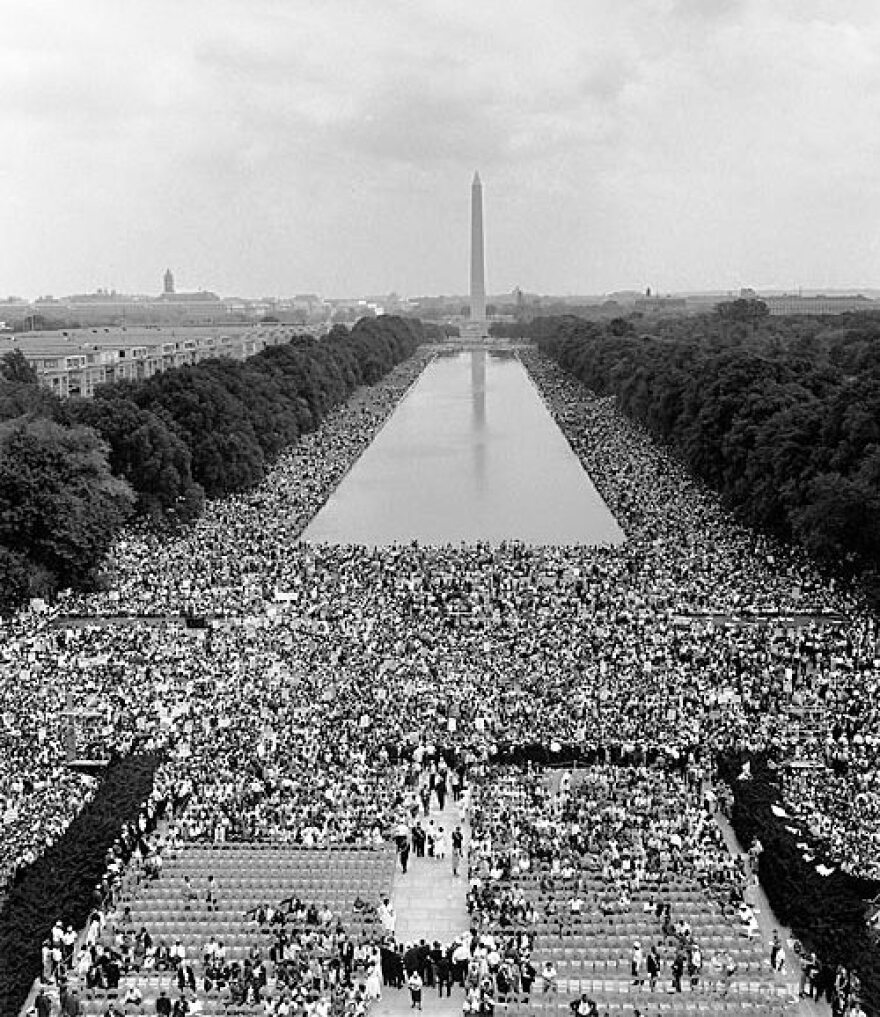
Commemorating I Have a Dream: Words That Still Shape America
On August 28, 1963, standing on the steps of the Lincoln Memorial before a vast and expectant crowd, Martin Luther King Jr. delivered what would become one of the most consequential speeches in American history: “I Have a Dream.” More than six decades later, the speech remains not only a cornerstone of the civil rights movement, but a moral compass for the nation itself.
A Speech Rooted in History—and Urgency
The March on Washington for Jobs and Freedom was not a ceremonial gathering. It was a response to systemic injustice—segregation, voter suppression, economic inequality, and the daily indignities faced by Black Americans. Dr. King’s speech captured that urgency with clarity and restraint, blending constitutional ideals with prophetic language. He framed civil rights not as a radical demand, but as a promissory note long overdue.
By invoking the Declaration of Independence and the Constitution, King reminded America that equality was not a new request—it was an unfulfilled promise.
The Power of the Dream
What distinguishes “I Have a Dream” is not only its message, but its structure. King’s repeated refrain transformed policy into poetry, law into longing, and protest into vision. The dream he articulated was not abstract; it was concrete and human:
- Children judged by character rather than skin color
- Former adversaries sitting together in dignity
- Faith that justice, though delayed, was inevitable
These images resonated because they appealed simultaneously to conscience, patriotism, and shared humanity.
Why the Speech Still Matters
The enduring relevance of “I Have a Dream” lies in its refusal to accept complacency. While progress has been made, the speech continues to challenge each generation to examine gaps between values and outcomes—in education, criminal justice, economic mobility, and civic participation.
King did not present the dream as complete. He presented it as a responsibility.
Commemoration as Action
To commemorate this speech is not merely to quote it once a year, but to reflect on its implications for leadership, citizenship, and personal accountability. King’s legacy calls for more than remembrance; it calls for participation—listening where we are tempted to dismiss, engaging where we might withdraw, and acting where silence feels easier.
The dream endures not because it was spoken, but because it is still being pursued.


%402x%20(dark).svg)
%402x%20(dark).svg)
%402x.svg)
%402x.svg)
%402x.svg)