

%402x%20(1).svg)
%402x.svg)
%402x.svg)
Why Two F-15s Will Fly the Super Bowl — And Why That Matters
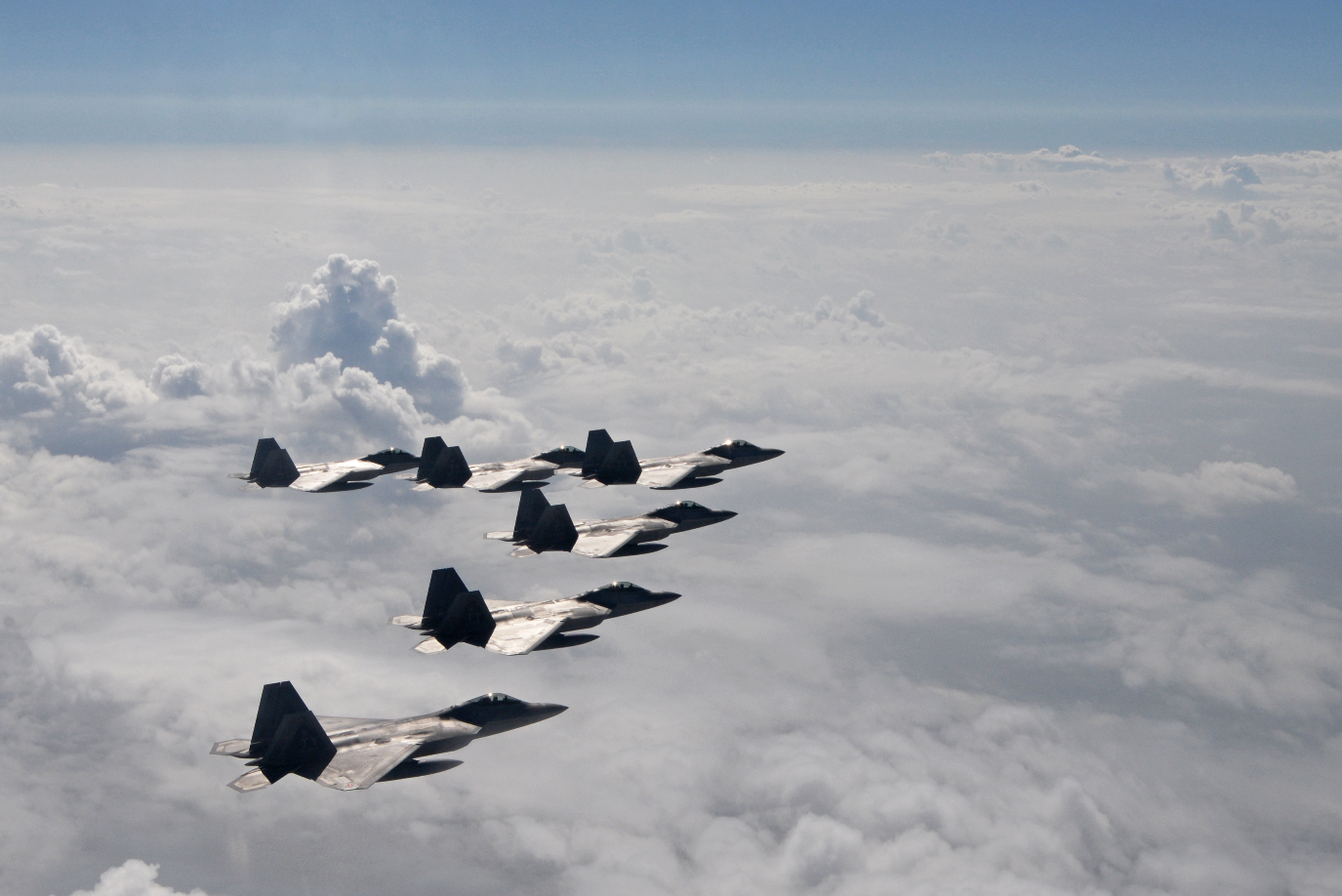
For most viewers, a Super Bowl flyover lasts only a few seconds: a burst of sound, a flash of afterburner, and then it’s gone. But aviation enthusiasts noticed something unusual this year. Instead of the expected pairing of stealth fighters, the flyover featured two F-15 Eagles, reportedly substituted at the last minute for two F-22 Raptors due to “operational needs.”
That phrase—carefully chosen and intentionally vague—has sparked speculation. In military aviation, “operational needs” rarely means convenience. It usually means priority.
The F-15: The Veteran Air Superiority Workhorse
The F-15 Eagle is not a consolation prize. Designed during the Cold War with one singular mission—win air-to-air combat—the aircraft remains undefeated in aerial engagements. With a powerful radar, high speed, heavy weapons load, and decades of continuous upgrades, the F-15 is still a formidable presence in the skies.
For ceremonial flyovers, the F-15 makes sense:
- Readily available
- Visually impressive
- Less sensitive in terms of mission readiness
- Easier to release from operational tasking
In short, the F-15 is reliable, symbolic, and flexible.
F-22 vs. F-35: Similar Shapes, Very Different Missions
While often grouped together as “fifth-generation fighters,” the F-22 Raptor and the F-35 Lightning II were designed for fundamentally different roles.
F-22 Raptor: Pure Air Dominance
The F-22 is optimized for air-to-air combat:
- Supercruise (sustained supersonic flight without afterburners)
- Extreme maneuverability via thrust vectoring
- Low observability from all aspects
- Sensors designed to detect and engage enemy aircraft before being seen
The Raptor exists to control contested airspace, especially against near-peer adversaries.
F-35 Lightning II: The Battlefield Integrator
The F-35, by contrast, is a multirole strike and sensor-fusion platform:
- Exceptional ISR (intelligence, surveillance, reconnaissance)
- Deep strike and precision ground attack
- Networked warfare and data sharing
- Designed to operate as part of a joint, multi-domain force
The F-35 is the quarterback. The F-22 is the enforcer.
Why Pull the F-22s from a High-Visibility Flyover?
Here’s where informed theorizing begins—clearly labeled as such.
Flyovers are planned far in advance. Aircraft and crews are allocated, approved, and scheduled. Pulling F-22s at the last minute strongly suggests a higher-priority requirement emerged—one where the F-22’s unique air-to-air capabilities were non-negotiable.
The U.S. Air Force does not casually reassign Raptors. There are only around 180 operational F-22s, and every flight hour is precious.
Possible explanations include:
- Heightened air defense posture in a sensitive region
- Increased training or readiness operations against advanced adversary aircraft
- Intelligence-driven indications requiring immediate air dominance capability
- Deterrence signaling through posture rather than publicity
None of these require a shooting war. All require the one aircraft built specifically to dominate the air against the best.
A Subtle Signal, Not an Alarm Bell
It’s important to be clear: a change in flyover aircraft does not mean conflict is imminent. The U.S. military adjusts force posture constantly. But the choice of what to pull—and what to substitute—matters.
The fact that:
- F-22s were retained for operations
- F-15s filled in seamlessly
- The explanation stopped at “operational needs”
…suggests prudence, not panic.
In modern deterrence, readiness is the message.
Final Thought
The Super Bowl flyover is pageantry—but it is also policy-adjacent theater. When the most advanced air-to-air fighter ever built is quietly redirected elsewhere, it’s reasonable to conclude that air superiority is being prioritized somewhere that doesn’t involve a football stadium.
The jets we see are impressive.
The ones we don’t see are often more telling.


%402x%20(dark).svg)
%402x%20(dark).svg)
%402x.svg)
%402x.svg)
%402x.svg)