

%402x%20(1).svg)
%402x.svg)
%402x.svg)
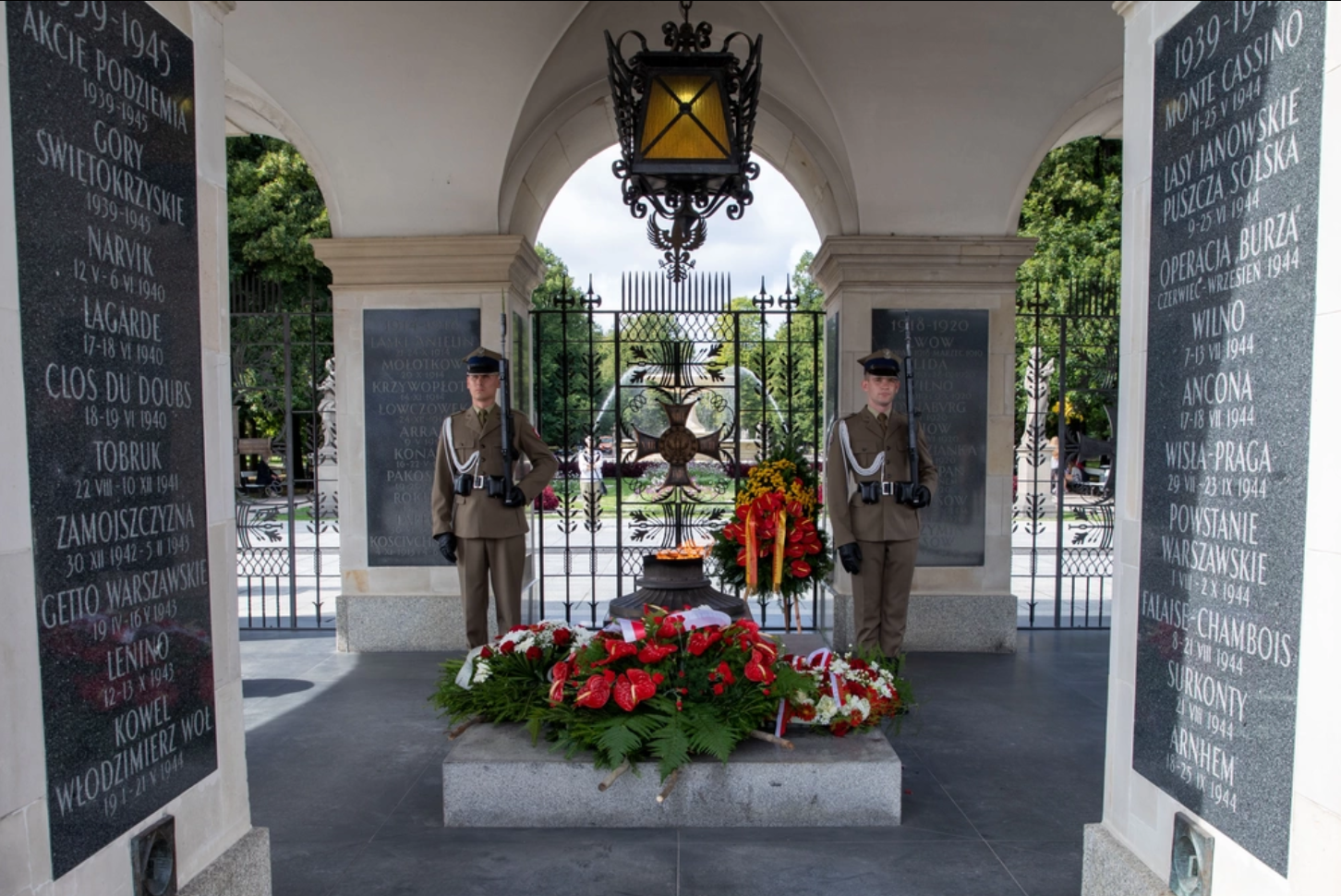
When Brotherhood Is Forged in Battle: The Story of Staff Sgt. Michael Ollis and the Bond Between American and Polish Soldiers

4
Military alliances are often discussed in strategic terms—treaties, joint exercises, NATO commitments, and defense budgets. But the true strength of an alliance is not written in policy documents. It is forged in the shared experiences of soldiers who stand shoulder to shoulder in the most dangerous environments imaginable.
Few stories illustrate the deep bond between American and Polish forces better than the story of U.S. Army Staff Sgt. Michael H. Ollis, a Medal of Honor recipient whose actions in Afghanistan created a lasting connection between two nations.
The Battle in Afghanistan
On August 28, 2013, during an attack on Forward Operating Base Ghazni in Afghanistan, Taliban insurgents launched a coordinated assault using suicide bombers and heavy weapons. Among those defending the base were American and Polish troops serving together under NATO command.
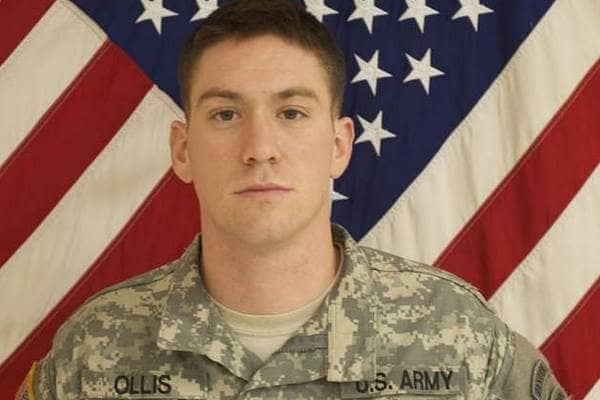
Staff Sgt. Michael Ollis, a member of the U.S. Army’s 10th Mountain Division, was positioned near a gate alongside Polish soldiers when the attackers breached the perimeter.
During the chaos of the attack, a suicide bomber approached Polish officer Lt. Karol Cierpica. Ollis immediately moved to shield his ally.
He pushed the Polish officer aside and placed himself between the bomber and the Polish soldiers. When the attacker detonated his explosives, Ollis absorbed the blast.
His actions saved the lives of the Polish officer and others nearby.
For that extraordinary act of bravery and self-sacrifice, Michael Ollis was later awarded the Medal of Honor, the United States’ highest military decoration.
A Bond That Crossed an Ocean
The story did not end on the battlefield.
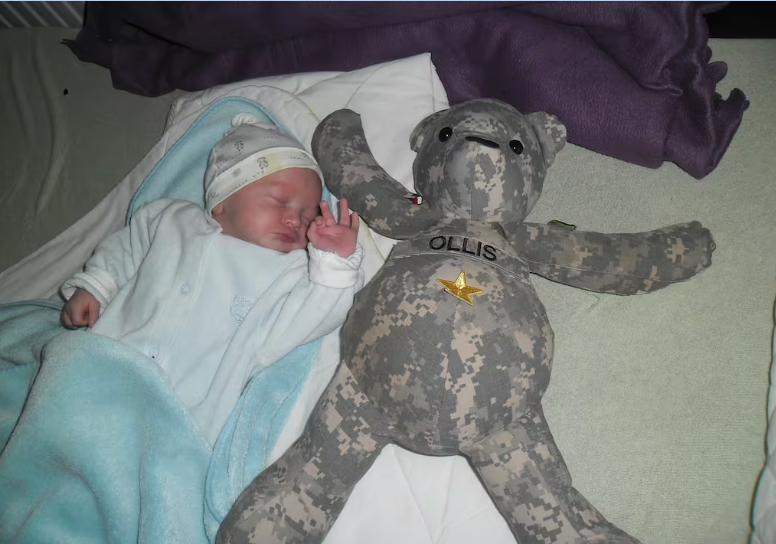
The Polish officer whose life was saved returned home deeply affected by the sacrifice made on his behalf. In a powerful tribute, he named his newborn son Michael in honor of Staff Sgt. Ollis.
This act symbolized something larger than gratitude. It represented the human dimension of military alliances—relationships built on trust, courage, and shared danger.
Poland has since honored Ollis in several ways. In the town of Radziszów, a street and monument commemorate his sacrifice. For many Polish citizens, Ollis is remembered not simply as an American soldier, but as a hero who gave his life to save one of their own.
The Long History of U.S.–Polish Military Partnership

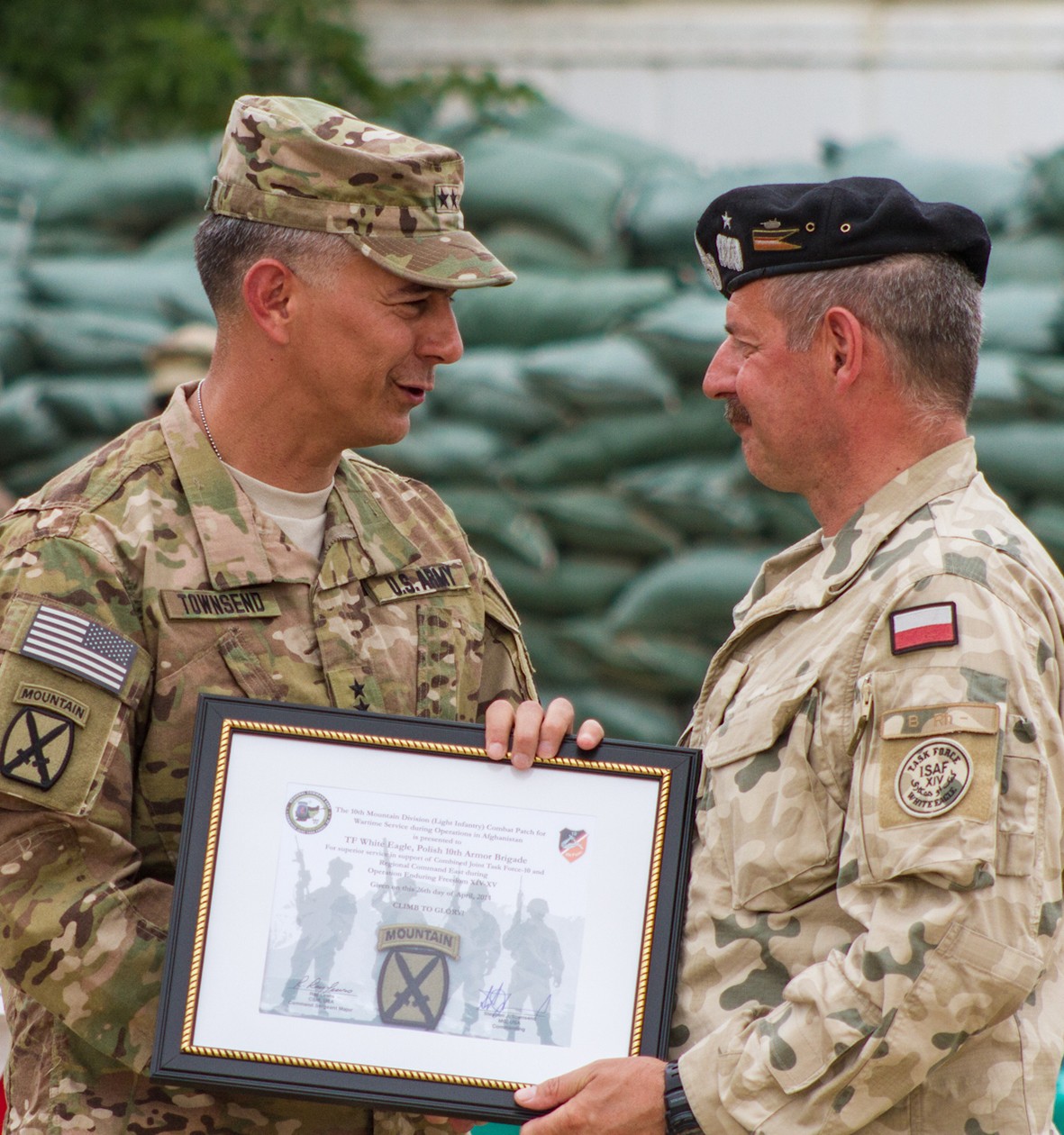

4
The Ollis story is powerful because it reflects a broader and historic relationship between the United States and Poland.
The military bond between the two nations stretches back centuries.
During the American Revolutionary War, Polish officers such as Tadeusz Kościuszko and Casimir Pulaski played critical roles in helping the young United States secure independence.
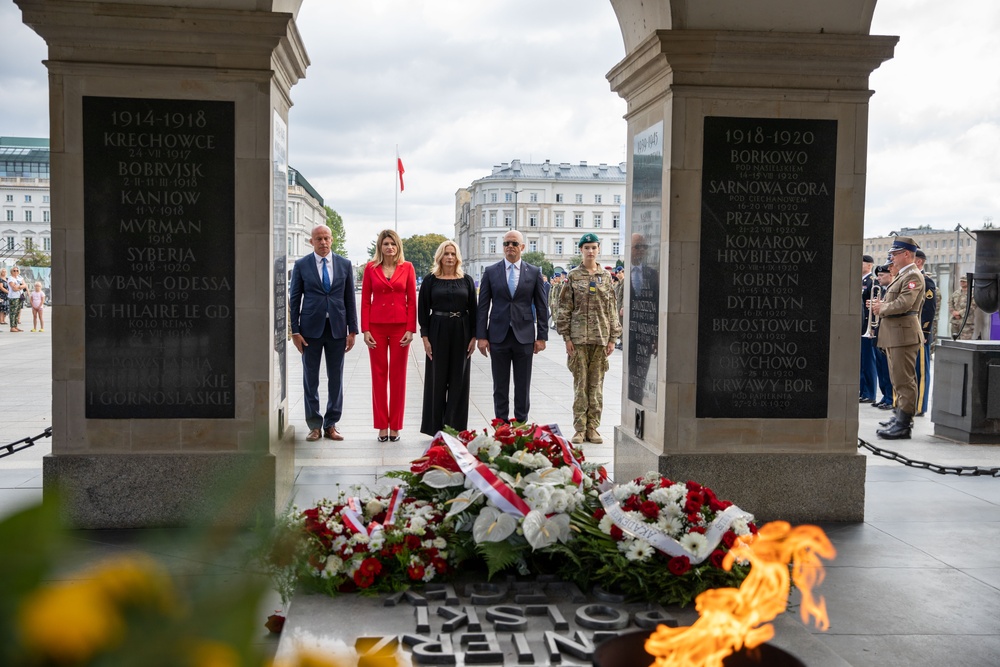
In the modern era, Poland has been one of America’s most steadfast allies within NATO. Polish forces have deployed alongside American troops in Iraq, Afghanistan, and numerous NATO missions.
These partnerships are built not only through political alignment but through shared sacrifice. Soldiers from both countries train together, fight together, and rely on one another when it matters most.
Brotherhood in the Ranks
Anyone who has served in uniform understands a simple truth: nationality becomes secondary when lives depend on the person standing next to you.
What matters is competence, courage, and trust.
Staff Sgt. Ollis did not hesitate when the moment came. He did not weigh nationalities or political alliances. He saw a fellow soldier in danger and acted instinctively.
That is the essence of military brotherhood.
And it is why stories like this resonate so deeply within the armed forces. They remind us that alliances are ultimately built on people, not policies.
A Legacy That Continues
Today, the name Michael Ollis is remembered in both the United States and Poland. His sacrifice strengthened the bond between two nations and serves as a lasting reminder of the values shared by their soldiers.
For Americans, he represents the highest ideals of service and selflessness.
For Poles, he is a hero who protected one of their own.
And for both nations, his story stands as proof that the strongest alliances are not just written in treaties—they are written in acts of courage.


%402x%20(dark).svg)
%402x%20(dark).svg)
%402x.svg)
%402x.svg)
%402x.svg)