

%402x%20(1).svg)
%402x.svg)
%402x.svg)
Plastic vs. Glass: The Real Health Differences in Your Kitchen Storage (and Why Wooden Cutting Boards Still Win)
4
In most kitchens, convenience quietly drives our choices. We grab the nearest plastic container, toss leftovers into it, snap the lid, and move on. Cutting boards? Many people assume plastic is “cleaner,” so they pile them in the dishwasher and call it a day.
But the science shows a very different story.
When it comes to food safety, chemical exposure, flavor preservation, and long-term durability, glass storage containers and wooden cutting boards outperform plastic by a wide margin.
Here is what you need to know if you want a healthier kitchen—and healthier meals.
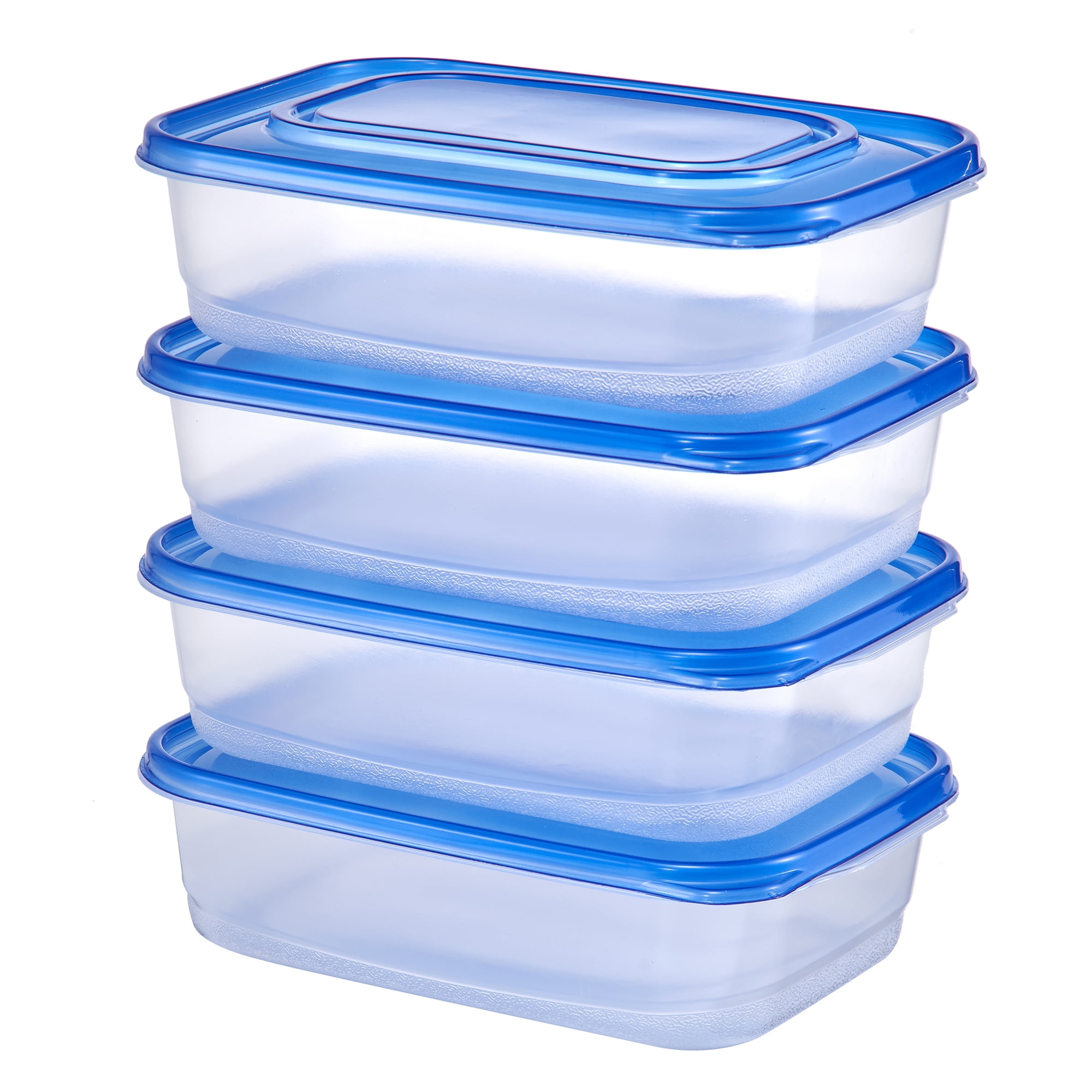
1. Plastic Storage Containers: Convenient but Loaded With Caveats
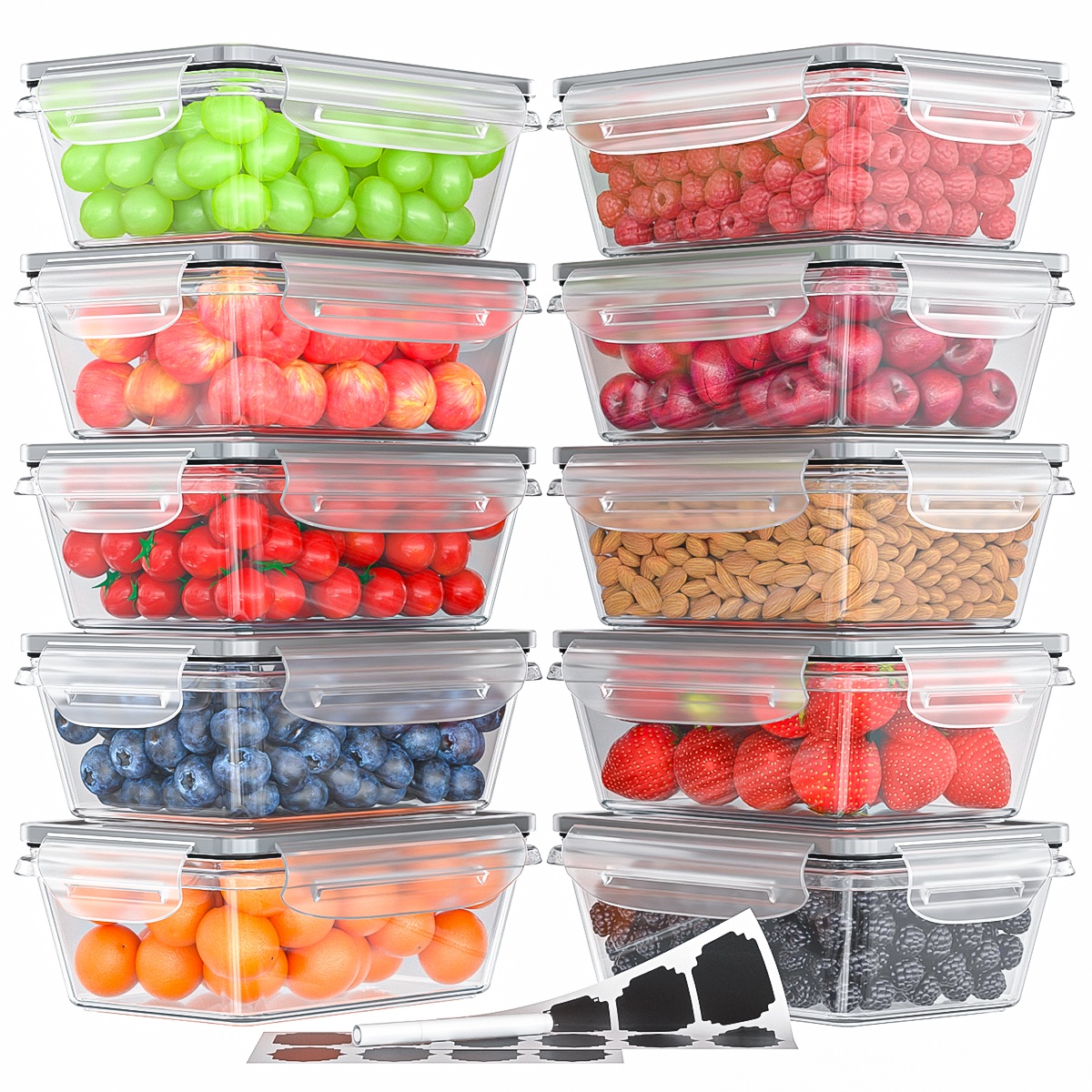
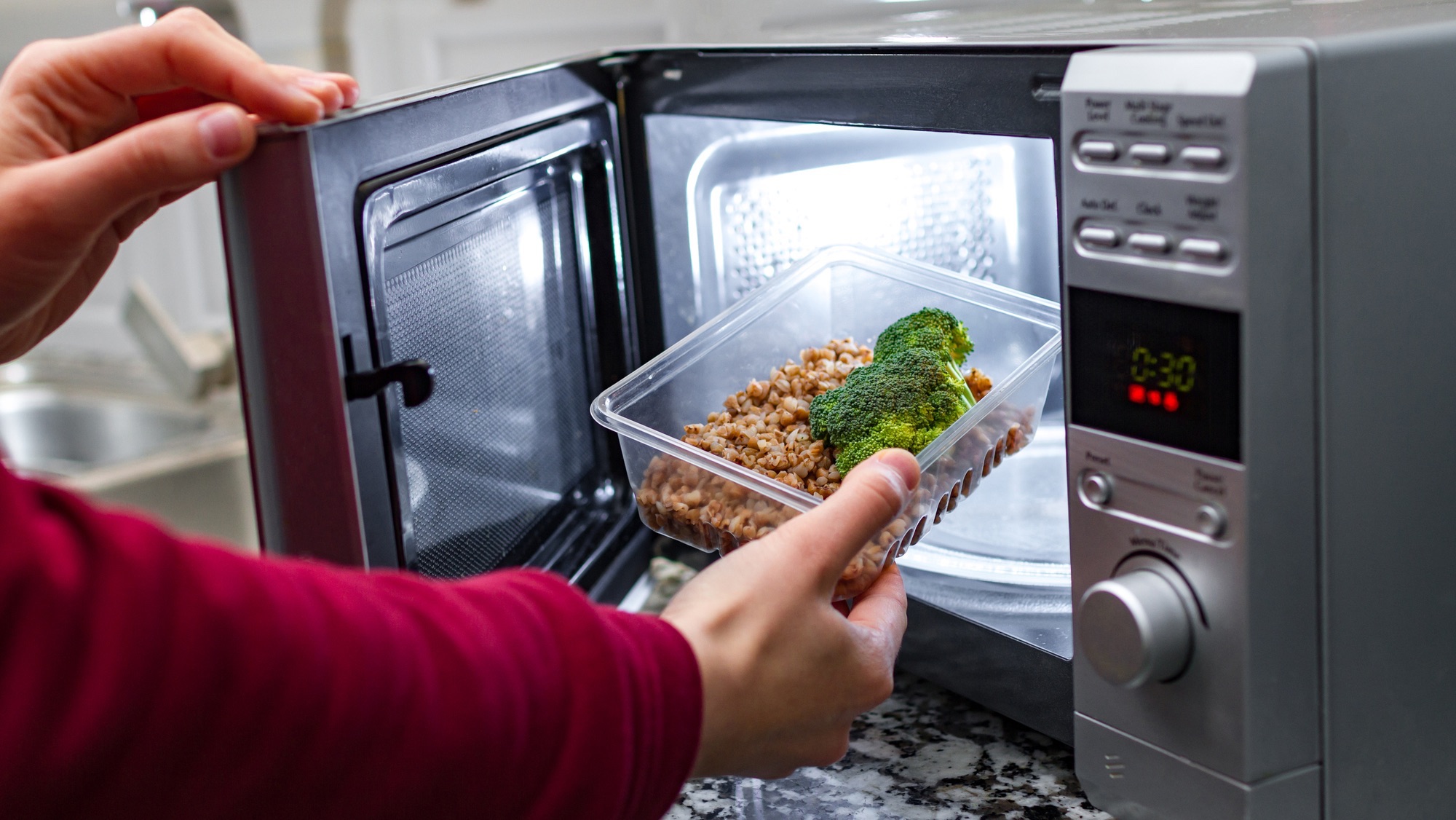
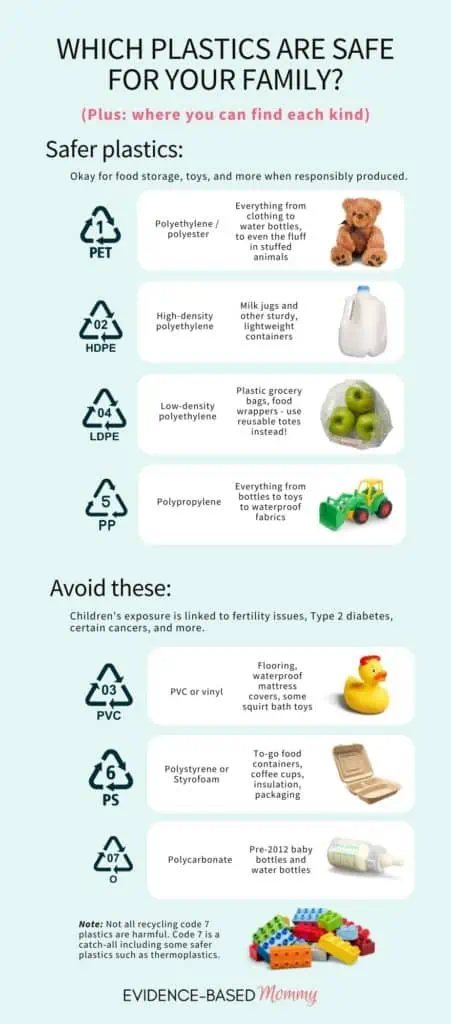
Plastic containers became popular because they’re cheap, lightweight, and nearly unbreakable. But from a health perspective, this is where the advantages end.
Key Concerns
1. Chemical migration
Even “BPA-free” containers may contain other bisphenols (like BPS and BPF) that leach into food—especially when heated, scratched, or exposed to acidic foods (tomato sauce, citrus, vinegar).
2. Micro-scratches trap bacteria
Over time, plastic gets cloudy and scratched. Those grooves hold food residue and microbes that simple washing may not fully remove.
3. Heat drastically increases leaching
Microwaving plastic—even if labeled microwave-safe—has been shown to significantly increase chemical migration.
4. Plastic absorbs odors and oils
This not only affects taste but may indicate chemical breakdown occurring within the container.
If you use plastic, the safest approach is cold storage only and no microwaving, no staining foods, and no long-term use once scratches appear.
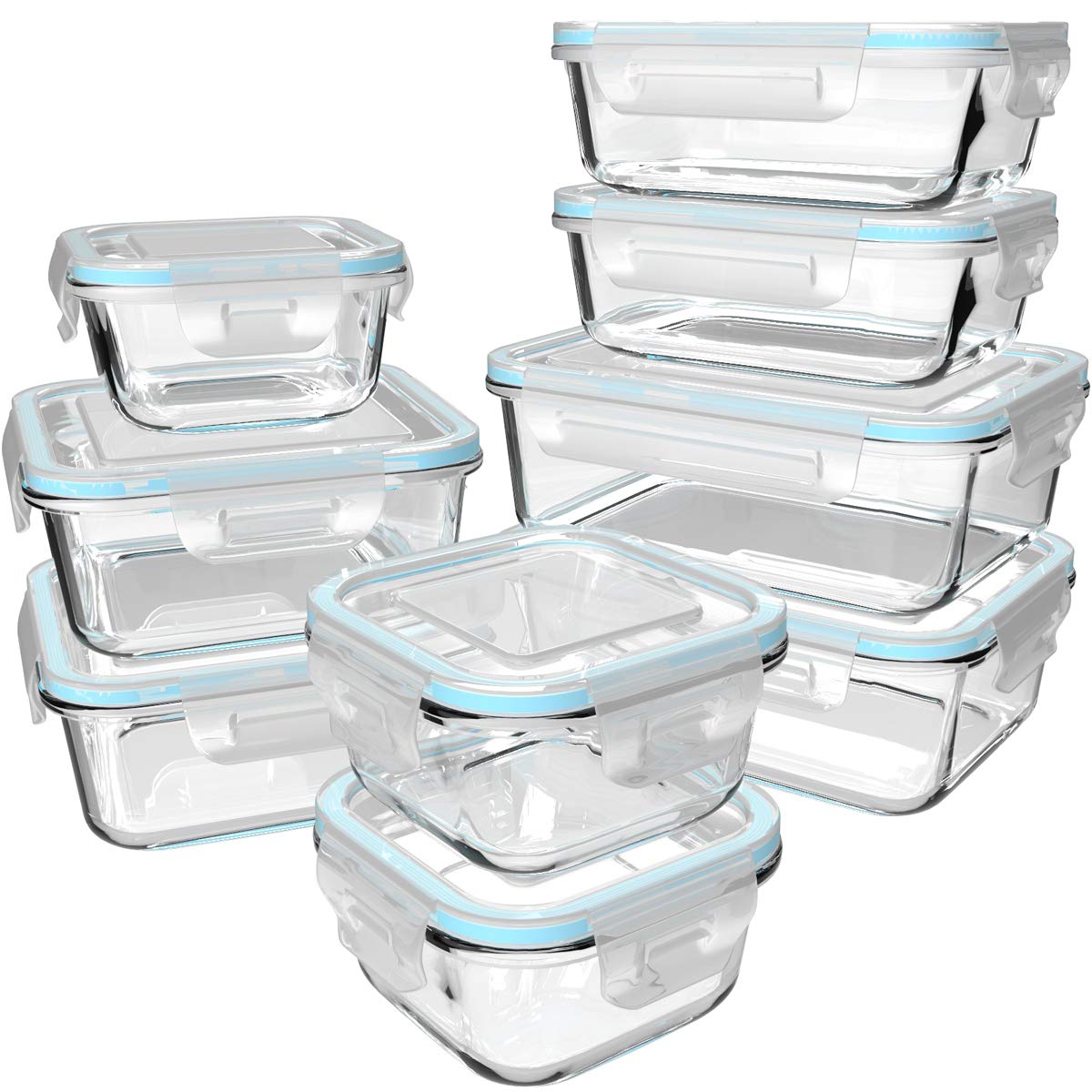
2. Glass Storage Containers: The Healthiest All-Around Option
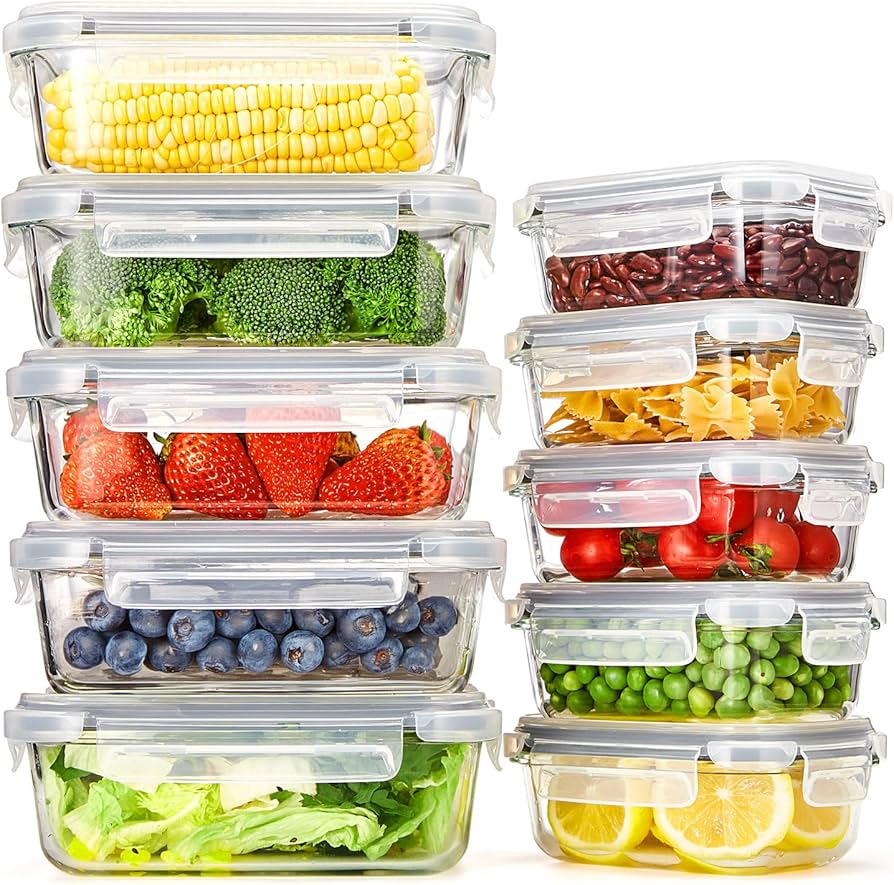
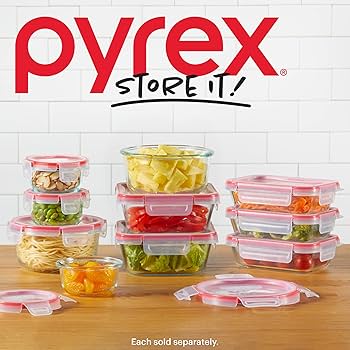
Glass offers the cleanest and most stable material for food contact.
Why Glass Is Healthier
- Non-porous and chemically inert: it doesn’t release chemicals into food.
- Safe with heat: microwaving, boiling water, dishwashing—no breakdown.
- No stains, no odors, no absorption.
- Lasts much longer, reducing environmental waste.
Best Uses
- Long-term food storage
- Meal prepping
- Microwaving or oven reheating
- Acidic foods like soups, tomato dishes, and citrus marinades
Glass is heavier and breakable, but in every health category, it’s the superior option.
3. Wooden Cutting Boards vs. Plastic Cutting Boards: A Fascinating Scientific Twist
Most people assume plastic cutting boards are safer because they’re easier to sanitize and dishwasher-friendly.
Surprisingly, research says the opposite—wooden boards are often safer.
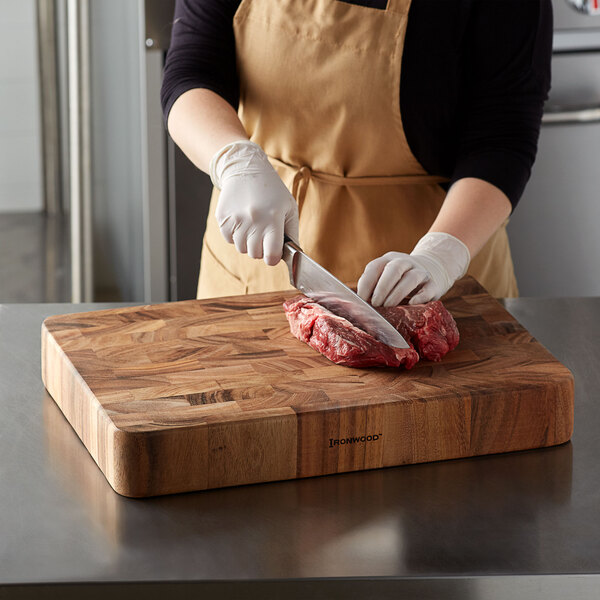
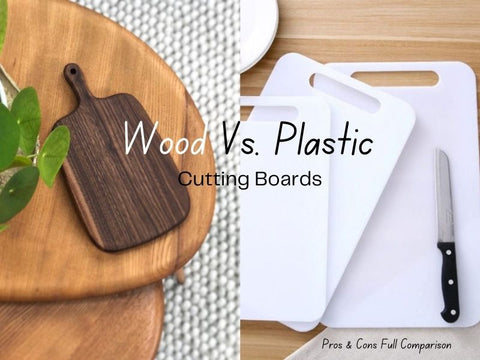
Why Wood Wins
1. Wood naturally absorbs and neutralizes bacteria
Studies from UC Davis found that bacteria pulled into the wood fibers die off more rapidly than on plastic surfaces.
2. Knife cuts in plastic trap bacteria
Once scarred, plastic boards hold microbes deep in grooves—even after dishwashing.
3. Wooden boards self-heal
Small cuts close up over time, reducing microbial retention.
4. End-grain boards are especially safe
Their tile-like pattern acts like tiny “stalks” that absorb and isolate bacteria away from the surface.
When Plastic Might Be Better
- For raw chicken or fish if you replace the board frequently
- For dishwashers over 170°F (commercial kitchens)
But for home kitchens, a well-maintained wooden board dominates in durability, food safety, and overall hygiene.
4. So What Should You Use in Your Kitchen?
Use Glass Containers For:
- All reheating and hot foods
- Long-term storage
- Tomato sauce, curry, soups, citrus dishes
- Meal prep for multiple days
Use Plastic Containers For:
- Dry storage (nuts, cereal, crackers)
- Short-term transport
- Cold-only food handling
- When weight is a concern
Use Wooden Cutting Boards For:
- Nearly all chopping
- Bread, produce, cheese, and cooked meat
- Dicing, slicing, and carving
Use Plastic Cutting Boards For (Optional):
- Raw poultry, if replaced regularly and washed immediately
- Dishwasher sanitization
5. Final Thoughts: Healthier Tools Create a Healthier Kitchen
Plastic is convenient, but it comes with tradeoffs—chemical migration, bacteria retention, and durability issues. Glass storage and wooden cutting boards are not just “more natural”—they’re empirically safer, longer-lasting, and better for your health.
If you change only two things in your kitchen:
- Switch your main containers to glass.
- Chop on wood, not plastic.
They’re small upgrades that make a major difference over time.


%402x%20(dark).svg)
%402x%20(dark).svg)
%402x.svg)
%402x.svg)
%402x.svg)