

%402x%20(1).svg)
%402x.svg)
%402x.svg)
The sale is an important milestone for a manufacturer. For the customer, it is the beginning of the experience that matters most: putting the product to work.
A production manager needs equipment that performs through a demanding shift. A maintenance supervisor needs the right replacement part and someone who can explain how to install it. A purchasing manager needs confidence that the supplier will still answer the phone after the invoice has been paid.
Service after the sale connects those expectations to the manufacturer's promises. Done well, it protects the company's reputation, creates opportunities for additional revenue, and strengthens the relationship that makes the next purchase possible.
The product earns the first opportunity. The experience of owning it helps earn the next one.
A Manufacturer's Reputation Lives in the Customer's Operation
Specifications and demonstrations help customers evaluate a purchase. Daily performance and support give them something more concrete to judge.
When a machine stops, the customer may have production commitments, employees waiting for work, and orders approaching their delivery dates. The manufacturer's response becomes part of that customer's ability to keep promises to others.
Reputation is reinforced through ordinary, repeatable behaviors: answering the call, identifying the problem accurately, providing realistic expectations, and following through. A difficult technical problem becomes even harder when the customer must repeatedly ask who owns it or when someone will respond.
NIST's Baldrige guidance on customer engagement recommends analyzing complaints, identifying root causes, and sharing what is learned across the organization. It explains that effective complaint management can help recover customer confidence and prevent similar complaints.
For a manufacturer, that means a service case should produce two results: help for the customer facing the problem today, and useful learning for the people who can prevent it tomorrow.
Strong Relationships Depend on Continuity
Customers should feel that they are dealing with one company as they move from sales to installation, training, maintenance, and repair.
Start with a deliberate handoff. The service team needs to know what was sold, what performance was promised, how the customer intends to use it, and which operating conditions might require special attention. The customer needs a clear contact, an explanation of support coverage, and practical instructions for requesting help.
Four values make that relationship dependable:
- Accountability. Give the issue an owner who coordinates the response and remains responsible for the next update.
- Competence. Equip people with the training, documentation, diagnostic tools, and access to expertise needed to solve the problem.
- Transparency. Explain what is known, what still needs investigation, what the likely costs are, and when the customer will hear more.
- Respect. Recognize the disruption, listen to the customer's experience, and avoid making the customer repeat information the company already has.
Maintain an accessible history of equipment, service work, parts, and customer preferences. Arrange follow-up around meaningful events: commissioning, the first maintenance interval, a resolved problem, or a change in how the equipment is being used. Contact becomes more useful when it reflects the customer's actual operation.
NIST's Manufacturing Extension Partnership describes customer interviews and surveys as sources of insight into needs, behavior, and business opportunities. Service conversations offer a practical place to start that listening. Ask what was difficult, what would have helped, and what the customer would value next.
Post-Sale Revenue Starts with Useful Customer Outcomes
A manufacturer already understands the design and intended performance of its products. A well-organized service business turns that expertise into offerings that help customers operate, maintain, and improve what they purchased.
Depending on the equipment and customer need, those offerings can include:
- Preventive maintenance agreements that provide planned inspections, service visits, and documented recommendations.
- Replacement parts and appropriate spare-parts kits that help customers prepare for wear and critical failures.
- Operator and maintenance training for new employees, changing processes, or more advanced use of the equipment.
- Diagnostics, calibration, and technical support that help customers understand equipment condition and performance.
- Modernization and upgrades that extend useful capability or address a clearly defined operating need.
The commercial offer should make the benefit, scope, price, and service commitments easy to understand. Customers need to see what they are buying and why it is useful. Existing warranty and support commitments should remain clear when optional services are offered.
Caterpillar provides one concrete example through its Services Commitment within Customer Value Agreements. Its published program describes next-day availability for eligible parts and completion of qualified repairs within two business days of approval to proceed, or an agreed customer schedule. Cat Credits or dealer vouchers may apply when commitments are missed; participation and eligibility terms vary.
The useful lesson is the structure: define the customer's need, package the service, state the commitment, and explain what happens when it is missed. Each manufacturer must set promises its own people, inventory, and service network can reliably meet.
Revenue Becomes Durable When Delivery Is Sustainable
Recurring service agreements can create a more predictable stream of work and customer contact. Their value depends on whether the manufacturer can deliver the promised coverage at a sustainable cost.
Price the complete job. Include technician time, travel, parts, training, diagnostic capability, scheduling, administration, and the capacity needed to meet response commitments. A contract that looks attractive before those costs are counted may consume the resources needed to support other customers.
Match the offering to the customer's operation. A business running a single daytime shift may value planned maintenance differently from a plant operating continuously. Some customers have experienced maintenance teams; others need more direct assistance. A useful service portfolio gives those customers understandable choices.
Technicians also need a fair role in the commercial process. Give them a way to document legitimate needs and explain options. Evaluate their performance through quality, reliability, and customer outcomes as well as revenue. Customers should be able to trust the advice of the person helping them restore production.
Make Service Information Improve the Product
Every service visit creates an opportunity to learn how a product performs outside the factory. Repeated failures may reveal a component problem, an unclear instruction, an installation issue, or a training need.
Give engineering and quality teams structured feedback: equipment identification, operating conditions, symptoms, findings, corrective action, and whether the problem returned. Review patterns regularly and assign responsibility for the improvements they suggest.
A 2021 study of after-sales service at a fish-processing equipment manufacturer illustrates the operational work involved. Researchers described fragmented customer information, unclear service contacts, and an inconsistent parts process. The improvements included consolidating customer and repair information, clarifying service offerings and pricing, and planning critical spare-parts packages. It is one company study, but its practical lesson travels well: dependable service requires organized information and clear processes.
Share useful changes back with customers. When feedback leads to a revised instruction, improved part, or better maintenance procedure, explain the change. That demonstrates that the relationship influences how the manufacturer works.
What Good Service Looks Like in Practice
Consider an illustrative situation: a customer reports an intermittent fault on a packaging machine during a busy production week.
The service coordinator confirms the symptoms and production impact, assigns a technical owner, and agrees on the next update time. The technician reviews the machine's service history before asking the customer to repeat diagnostic work. If a part is needed, the team explains availability and the expected repair schedule. If the diagnosis changes, the customer hears about it promptly.
After the repair, the team checks that the machine is performing as expected and documents the cause. A recurring pattern goes to engineering. An identified training gap leads to a practical recommendation. If a maintenance agreement would address a continuing need, it can be discussed with the customer using the evidence from the service history.
The customer experiences technical competence and personal accountability. The manufacturer gains a better understanding of the installed equipment and a credible basis for future service business.
Measure the Experience Customers Receive
As discussed in If It Matters, Measure It: Using KPIs to Improve Field Service Performance, measurement is most useful when it begins with a clear goal.
For service after the sale, use a small set of measures that connect customer experience with operational and commercial results:
- Responsiveness: time to a meaningful response and the percentage of promised updates delivered on time.
- Restoration: elapsed time until the equipment or service is usable again, with delays identified.
- Repair quality: first-time resolution and repeat failures within a defined period.
- Customer effort: whether customers can reach the right person and get help without unnecessary handoffs.
- Relationship strength: service renewals, customer feedback, repeat purchases, and referrals.
- Commercial health: service revenue and margin after the cost of delivering the commitment.
Define each measure consistently and review it by product, customer need, or service type where useful. Pair fast closure with repeat-failure data. Pair revenue growth with margin and customer feedback. These combinations help leaders recognize when an attractive number hides a problem.
The Next Sale Is Already Taking Shape
Manufacturers can begin improving service without redesigning the entire business. Review recent service cases with sales, service, engineering, and quality. Identify where ownership became unclear, updates were missed, or useful information failed to reach the next person. Fix one recurring problem and check whether the customer experience improves.
Then ask customers which additional support would make their equipment easier to own. Build the offer around that need, define the resources required, and measure whether the promise is being kept.
Service after the sale gives a manufacturer repeated opportunities to demonstrate its values. Accountability protects its reputation. Useful expertise creates opportunities for post-sale revenue. Consistent follow-through builds the relationships that sustain both.
When your customer's next purchasing decision arrives, what will their experience of your service have taught them?
Sources and Further Reading
- NIST: Baldrige Criteria Commentary — customer engagement, complaint management, and performance measures.
- NIST Manufacturing Extension Partnership: Market Research for Manufacturing Companies — listening to customers and developing business opportunities.
- Caterpillar: Services Commitment with a Customer Value Agreement — an example of defined parts and repair commitments.
- Rebelo and colleagues: After sales service: key settings for improving profitability and customer satisfaction, Procedia Manufacturing 55 (2021), 463–470.
Image Credits
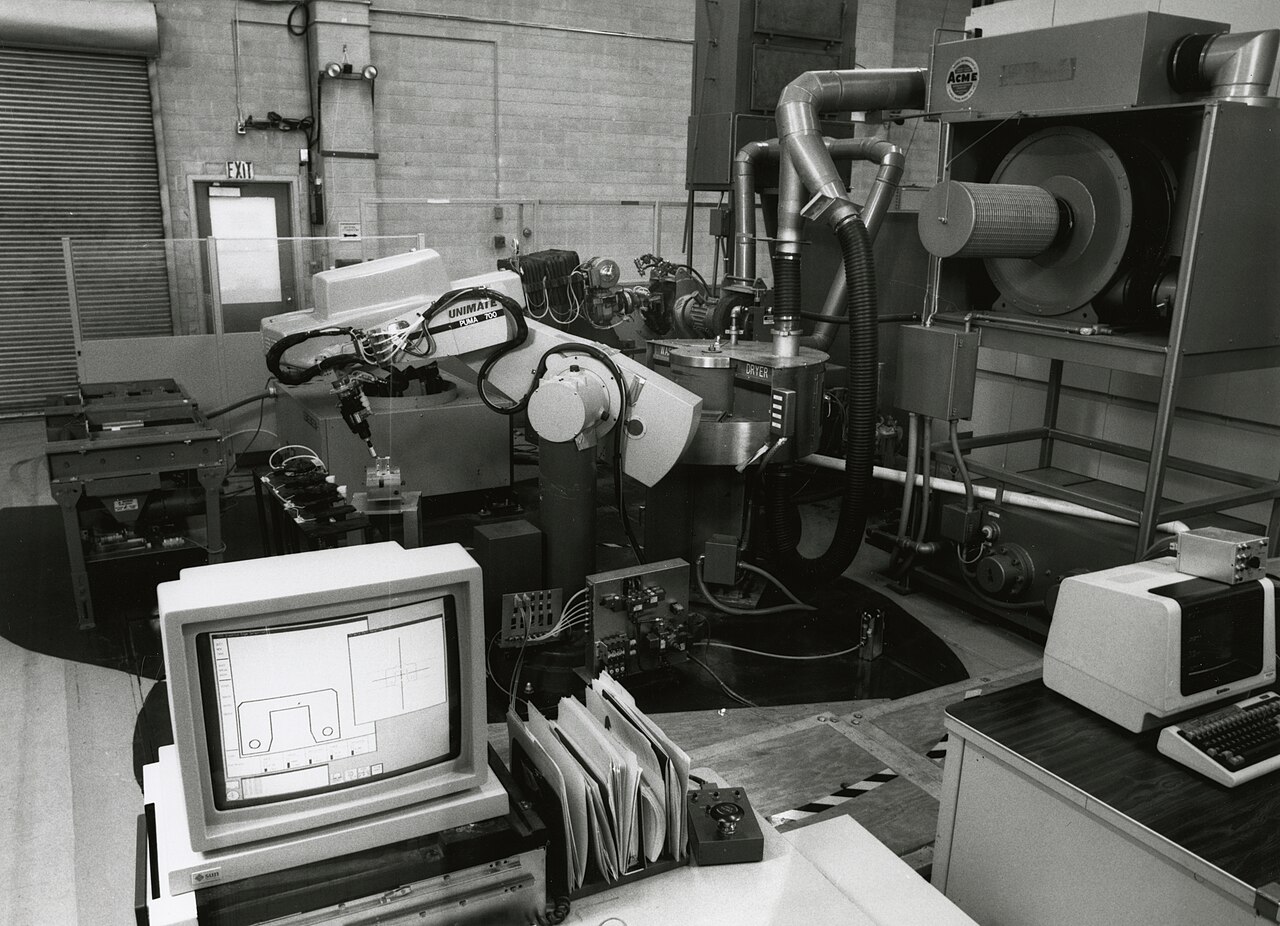
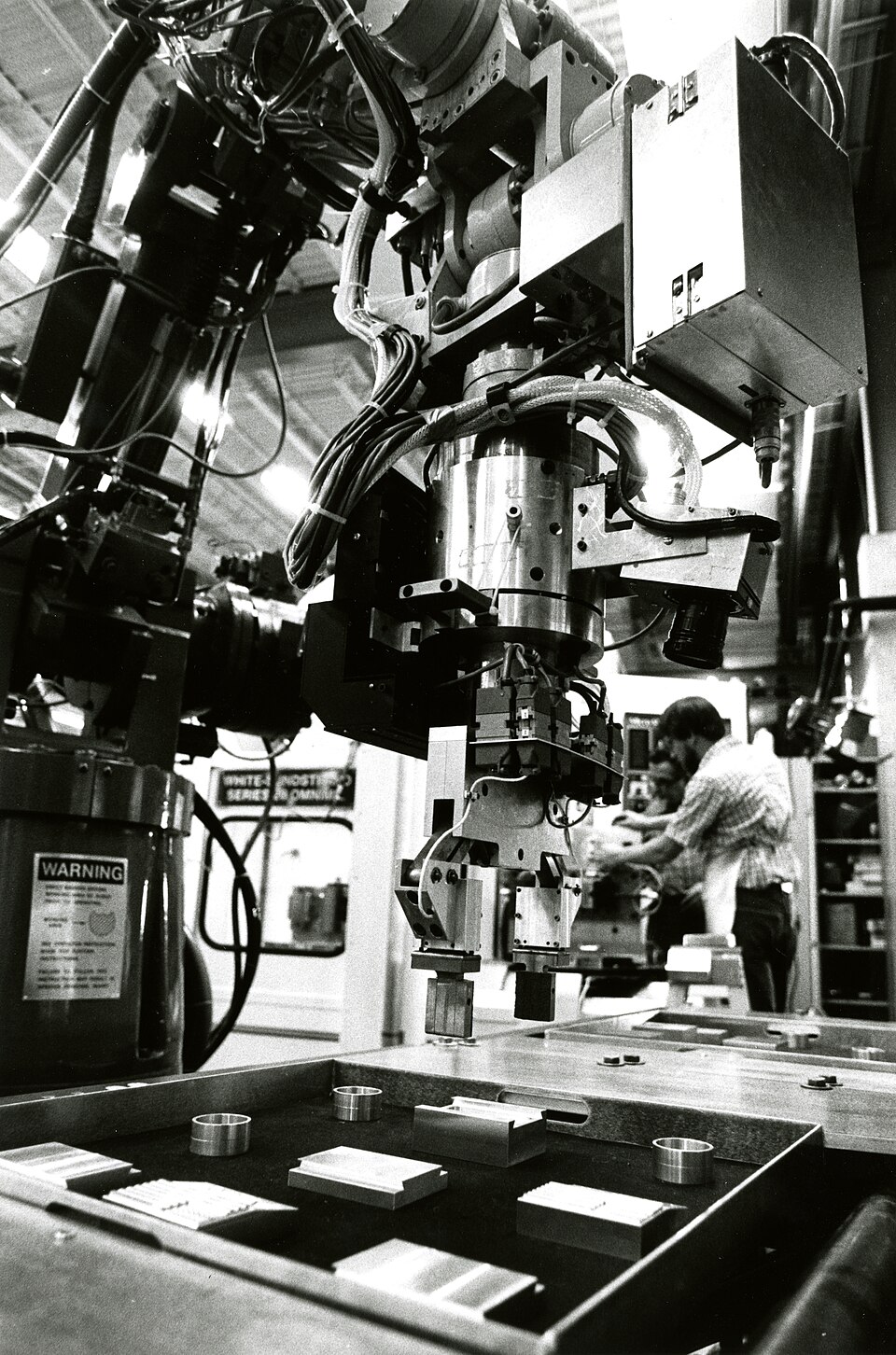
Cover: Computer and machine equipment at the Automated Manufacturing Research Facility. Inline: Automated machinery at the Automated Manufacturing Research Facility. Both are archival NIST photographs identified as public domain in the United States; the original photography dates are not stated.
National Institute of Standards and Technology Digital Collections, Gaithersburg, MD 20899.


%402x%20(dark).svg)
%402x%20(dark).svg)
%402x.svg)
%402x.svg)
%402x.svg)

