


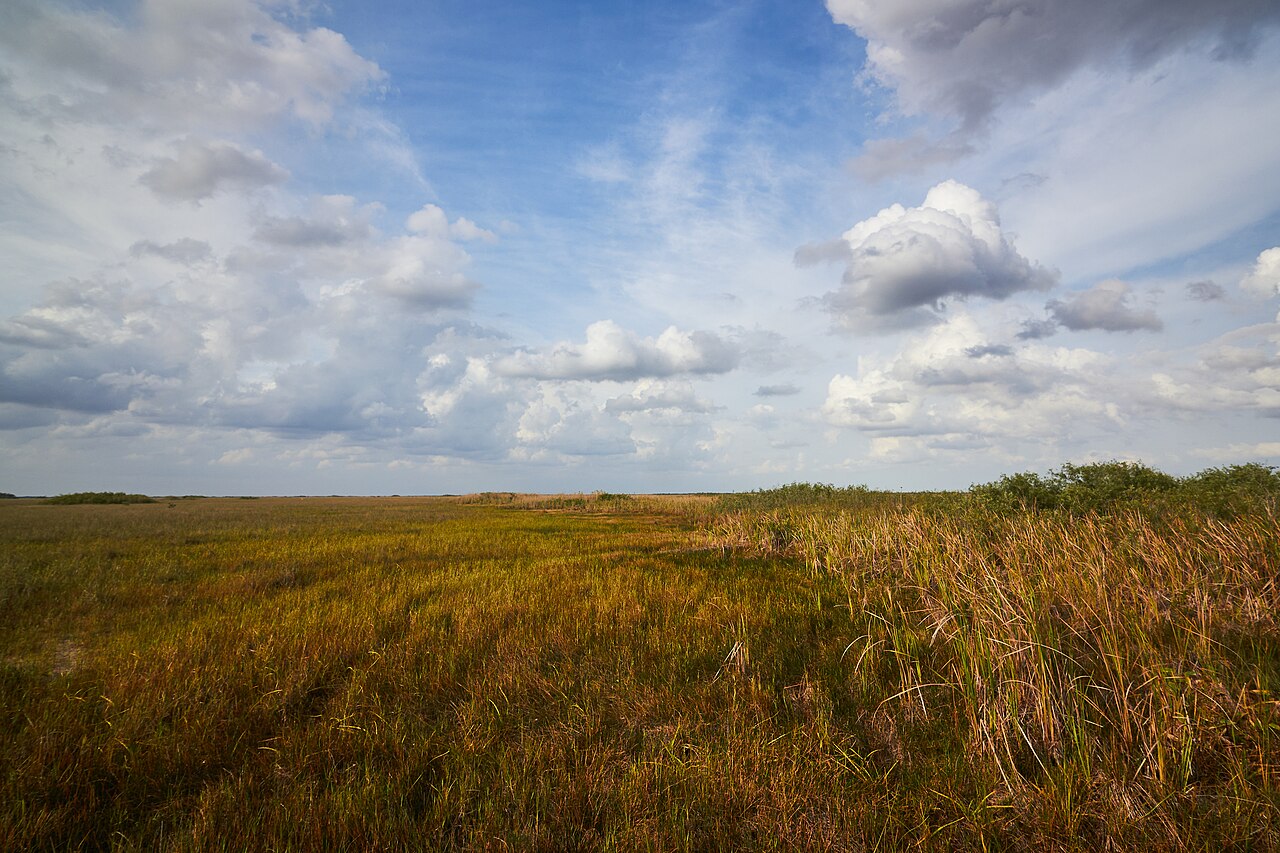
There is a Florida you can hear in John Anderson’s “Seminole Wind”: water moving through the wetlands, wildlife stirring in the swamp, and a wind that seems to carry the memory of the land.
Released in 1992, the song became one of Anderson’s signature recordings. Its lasting appeal comes from the feeling at its center—the love of a place and the pain of watching it change. That combination also explains why people have spent years suggesting it should become Florida’s state song.
Listen to the song: Watch John Anderson’s “Seminole Wind” music video on YouTube.
As of November 2, 2026, that discussion has produced a significant development. Governor Ron DeSantis has designated “Seminole Wind” as “Florida’s Anthem,” although it has not replaced the state’s existing official song. The distinction matters, and the story behind the music helps explain why the recognition means so much. Executive Order 26-222
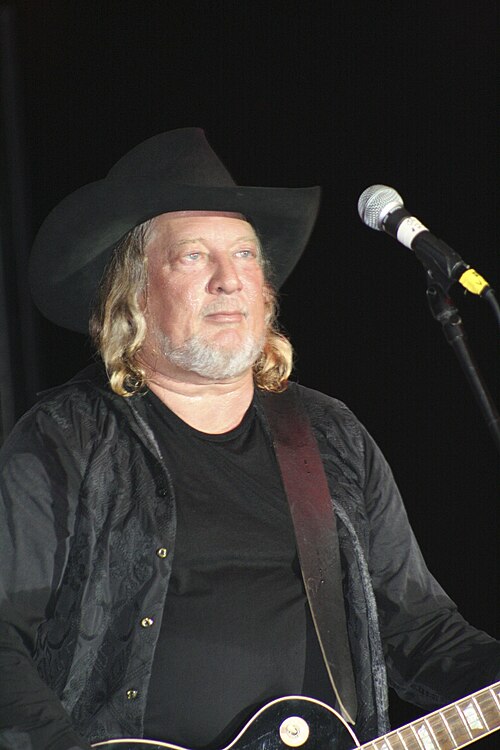
Anderson grew up in Apopka, with a connection to Florida that ran deeper than its vacation image. When he wrote “Seminole Wind,” he wanted to capture something he and the people he grew up with would recognize.
In a 2025 interview with The Seminole Tribune, Anderson recalled a Florida trip to visit his ailing grandmother. Traveling with his sister, he thought of the title and wondered whether Florida folk songwriter Will McLean had already used it. His sister encouraged him to write the song himself. Anderson described its origins as a love of Florida, the Seminoles, and the people of his home state. The Seminole Tribune, March 2025, page 3A
That personal purpose mattered. In a separate interview with MusicRow, Anderson explained that he wrote the song during a slower period in his career, without expecting a commercial payoff. He wanted a song about home that meant something to him and his old friends. The result helped renew his success while giving listeners something unusually intimate: a songwriter’s attachment to the land that raised him. Anderson’s MusicRow interview
The song’s emotional reach comes from how it connects landscape and memory. Its references to the Everglades, Okeechobee, and Osceola give it a distinctly Florida identity. Its account of draining the land challenges listeners to consider the cost of development. The natural world becomes something that can be damaged, mourned, and remembered. Even a contemporary review of the album recognized the title track as a song about the environmental plight of the Everglades. The Daily Iowan, March 30, 1992
Anderson’s relationship with the Seminole community also gives the song’s history substance beyond its imagery. In his 2025 interview, he credited former Tribal Chairman James “Jim” Billie and medicine man Bobby Henry with helping make the music video possible. He also recalled receiving a treasured Seminole patchwork jacket from tribal elders years before writing “Seminole Wind.” Those friendships became part of the song’s larger story. The Seminole Tribune, March 2025
The idea of giving the song official recognition has been around for years. Anderson himself mentioned the state-song discussion in his 2015 MusicRow interview. For a songwriter who had simply hoped to write something meaningful about his hometown and home state, the possibility clearly carried personal weight. MusicRow
The discussion gained fresh attention following Anderson’s death on October 21, 2026. Fellow country artist John Rich publicly urged DeSantis to make “Seminole Wind” Florida’s official state song, pointing to Anderson’s Florida roots and the way the song captured the state’s spirit. Country Now’s reporting on Rich’s appeal
On October 27, DeSantis issued his executive order establishing it as “Florida’s Anthem.” The order explicitly makes that designation separate from the statutory state anthem and encourages the incoming Legislature to recognize “Seminole Wind” in state law. Executive Order 26-222
Florida therefore has several musical designations to distinguish. “Old Folks at Home,” with revised lyrics, remains the official state song under Florida law. “Florida, Where the Sawgrass Meets the Sky,” written by Jan Hinton, remains the statutory state anthem. That arrangement grew out of a 2008 compromise that retained the older song while adopting Hinton’s composition as the anthem. Florida’s state-song statute; Florida Department of State’s anthem history
The strongest argument for “Seminole Wind” is what it asks of the people singing it. Its affection for Florida carries a sense of responsibility. Celebrating the state means caring about its wetlands, its history, and the communities whose lives are tied to the land.
Giving the song an official title recognizes its cultural importance. Taking its message seriously would mean something more: protecting the Florida that inspired Anderson to write it.


